Zero Waste Grocery Shopping for Beginners
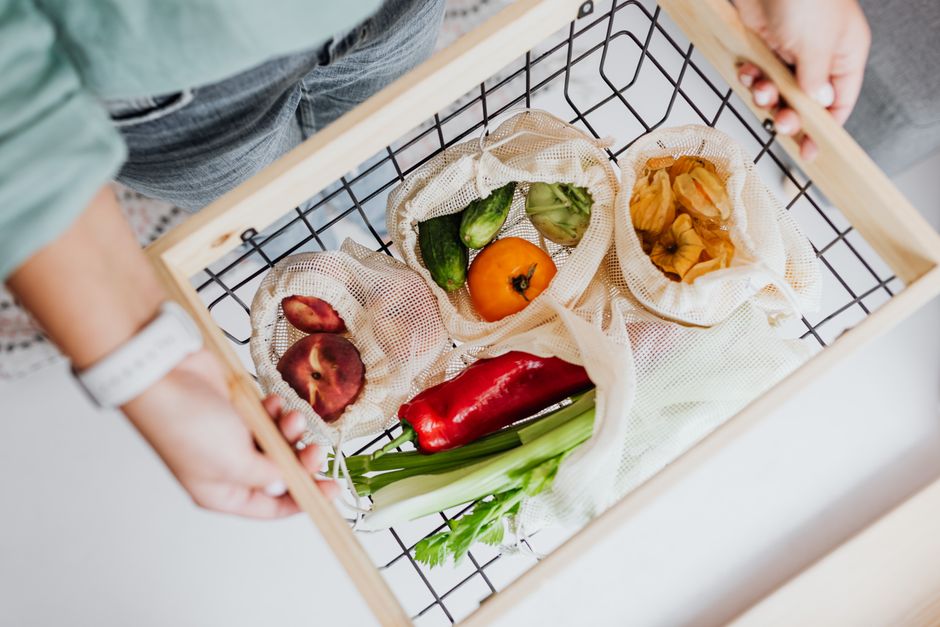
Zero waste grocery shopping is a growing practice for individuals aiming to lessen their environmental footprint. It involves making conscious choices to minimise packaging waste, particularly plastics and other non-recyclable materials, during food purchases. While the concept may seem daunting at first, a gradual approach can make the transition manageable and rewarding. Understanding the fundamental principles and preparing adequately are the first steps towards incorporating these habits into everyday life.
For those new to this approach, the focus should be on reduction rather than perfection. The goal is not to eliminate all waste immediately but to adopt strategies that progressively reduce the amount of packaging brought into the home. Many supermarkets and local stores now offer facilities that support waste-free shopping, such as bulk bins and refill stations. By becoming familiar with these options and learning how to navigate them effectively, beginners can build a routine that aligns with their values without feeling overwhelmed.
Planning Ahead
Preparation is a cornerstone of reducing packaging waste. Before heading to the supermarket, it is helpful to plan meals and create a shopping list based on actual needs. This practice not only prevents impulse purchases but also reduces the likelihood of buying items with excessive packaging. In the UK, many households throw away significant amounts of food, and much of that waste is still in its original packaging. By planning meals, shoppers can buy only what they need, thereby reducing both food waste and packaging waste.
Another preparatory step involves identifying stores that offer unpackaged options. Many supermarkets now have sections for loose fruits and vegetables, and some dedicated zero waste shops have emerged across the UK. Researching these options in advance can save time and make the shopping experience smoother. Additionally, familiarising oneself with the store layout and knowing where the bulk bins are located can help streamline the process. Setting a realistic budget and time allowance for shopping with less packaging is also advisable, as it may require extra effort initially.
Essential Reusable Containers
Reusable containers are indispensable tools for zero waste grocery shopping. Instead of using disposable plastic bags for produce and loose items, shoppers can bring their own containers, such as glass jars, cloth bags, and stainless steel tins. These items serve multiple purposes: they can be used to carry bulk foods, hold deli items, and even transport liquids like milk or oil. In the UK, many bulk stores encourage customers to weigh containers before filling them, so it is helpful to know the tare weight or ask for it to be recorded.
Cloth produce bags are particularly useful for fruits and vegetables, as they are lightweight, washable, and can be reused many times. For items like cereals, grains, and pulses, glass jars with tight-fitting lids are a popular choice because they are durable and allow for easy storage at home. When shopping for meat or cheese, a dedicated container that can be sealed is beneficial to prevent cross-contamination. It is also practical to have a few spare bags and containers in the car or a bag, so that unplanned purchases can still be made sustainably.
Bulk Buying Basics
Bulk buying is a key strategy for reducing packaging waste, as it allows shoppers to purchase the exact quantity needed without the associated packaging. Many supermarkets and health food stores in the UK have bulk sections where grains, pasta, nuts, seeds, and dried fruits are available. These sections typically provide dispensers or bins from which shoppers can fill their own containers. The process generally involves weighing the container before filling, noting the weight, and then filling it with the desired product.
When using the bulk section, it is essential to keep containers clean and dry to avoid contamination. Shoppers should also be mindful of the price per unit, as sometimes bulk items can be more expensive than packaged counterparts. However, buying in bulk can also save money in the long run, especially if one buys staples that have a long shelf life. Another consideration is product turnover; buying only what one will use in a reasonable time prevents food waste. Some stores offer a discount for using your own containers, which can be an incentive to adopt this practice.
Choosing Loose Produce and Less Packaging
Selecting loose fruits and vegetables is an easy way to cut down on plastic packaging. Many supermarkets in the UK have invested in removing plastic wrapping from produce and instead offer paper bags or encourage customers to use their own. Even when an item is available both loose and packaged, choosing the loose option sends a clear message to retailers about consumer preferences. For items that are only sold in packaging, such as certain berries or leafy greens, looking for alternative offerings or considering seasonal substitutions can help reduce waste.
Another approach is to explore the frozen section, which often uses thinner packaging or recyclable materials, and buying in larger quantities to minimise the packaging per item. Similarly, purchasing goods from the deli counter allows for custom portions and the use of reusable containers. It is also beneficial to support local farmers’ markets, where produce is typically sold without packaging and is often grown locally. By consciously making such choices, individuals can contribute to a reduction in the demand for packaged goods.
Navigating the Supermarket
When navigating the supermarket with a zero waste mindset, a few practical tips can make the experience more efficient. It is helpful to shop the perimeter of the store, where fresh produce, bakery items, and often the deli and bulk sections are located. This reduces the likelihood of being drawn to heavily packaged, processed foods in the aisles. Additionally, shopping at quieter times, such as early morning or late evening, allows for more patience in weighing and filling containers without feeling rushed.
Building a relationship with store staff can also be advantageous; many employees are knowledgeable about store policies and can assist with tare weights or provide information about packaging-free options. Some supermarkets have refill stations for household items like cleaning products and personal care items, which can further reduce the waste footprint. Keeping an eye out for new zero waste initiatives and promotions can help stay informed and perhaps even save money. This process encourages mindfulness about the lifecycle of products and the resources involved in their production and distribution.
By adopting even a few of these strategies, shoppers can significantly reduce the amount of packaging waste they generate, while also promoting a culture of sustainability within their community.
In summary, zero waste grocery shopping is a practice built on preparation, the use of reusable containers, and a willingness to explore alternative shopping options. By focusing on planning, bulk buying, and choosing minimally packaged items, beginners can gradually integrate these habits into their routine. The journey towards reducing packaging waste is a continuous learning process, where each trip to the supermarket offers an opportunity to refine one’s approach and contribute to a more sustainable future.